Easy Christmas Tree Ornaments: Free Crochet Patterns
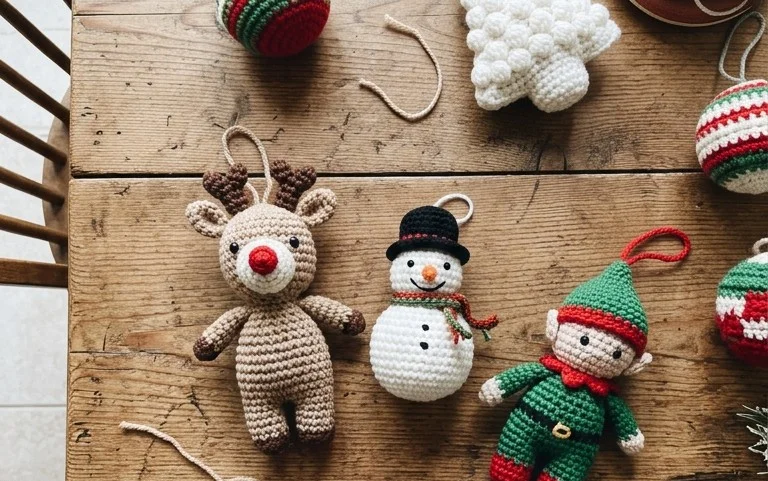
Small handmade ornaments bring a sense of nostalgia to the home, especially when they feature the gentle texture of high-quality cotton thread. These hanging decorations hang light on the branches and stay durable enough to pack away in storage boxes for many years. Beginners find these projects approachable because they focus on basic stitches like the single crochet and the magic ring. You will learn how to build structure through simple increases and decorative edge work. These items make thoughtful tokens for neighbors or friends during the busy winter season, offering a personalized touch to any holiday display.
Why You’ll Love This Pattern
The Classic Crochet Cotton Dishcloth is a staple for every home kitchen because it combines utility with a meditative, repetitive stitch pattern. Using 100% cotton yarn creates a fabric that is naturally absorbent, durable, and capable of withstanding high-temperature washes. This specific pattern uses a simple textured stitch that scrub away stuck-on food bits without damaging non-stick surfaces or delicate glassware. It works up in under an hour, making it an ideal candidate for batch-making as housewarming gifts or quick market inventory.
I managed to finish three of these while watching a movie. The texture is much better than the store-bought sponges I usually buy, and they hold up perfectly after a cycle in the washing machine.
— Sarah, home crafter
Pattern Overview & Skill Level
- Skill Level: Beginner
- Approximate Time: 45 to 60 minutes
- Construction: Worked flat in rows with a simple chain-turning technique
- Finished Dimensions: 8 inches by 8 inches
Materials & Supplies Needed
- Yarn: Worsted weight (#4) 100% cotton yarn, approximately 50 yards per cloth.
- Hook Size: 5.0 mm (US H-8).
- Notions: Tapestry needle for weaving in ends, sharp scissors.
- Yarn Substitutions: Stick to cotton or linen blends. Acrylic yarn is not suitable for this project as it is not absorbent and will melt if it comes into contact with hot surfaces. Using a different weight yarn will change the final dimensions; a DK weight yarn will result in a smaller cloth, while a bulky weight yarn will create a thicker, more rigid scrub.
Stitch Guide & Abbreviations (US Terms)
- ch: Chain
- st: Stitch
- sc: Single crochet
- dc: Double crochet
- sk: Skip
- YO: Yarn over
- Seed Stitch: A repeating pattern of one sc and one dc in the same row to create a bumpy, durable texture.
Step-by-Step Pattern Instructions
The cloth is worked from the bottom up in a single piece. The seed stitch creates a reversible fabric with no defined right or wrong side.
- Foundation Row: Ch 27.
- Row 1: Sc in the 2nd ch from hook. *Dc in the next ch, sc in the next ch. Repeat from * across to the end. Turn. (26 sts)
- Row 2: Ch 1. Sc in the first dc of the previous row. *Dc in the next sc, sc in the next dc. Repeat from * across, ending with a sc in the last st. Turn. (26 sts)
- Rows 3 through 30: Repeat Row 2 until the piece measures 8 inches square.
- Finishing: Fasten off, leaving a 6-inch tail. Weave the yarn tail securely into the back of the work using your tapestry needle.
Care & Washing Instructions
- Machine wash in warm water on a gentle cycle to preserve the fiber structure.
- Tumble dry on low heat or lay flat on a towel to air dry to prevent shrinkage.
- If the cloth loses its shape after many uses, soak it in warm water, pull it gently into a square, and let it air dry flat.
Pro Tips & Common Mistakes to Avoid
Maintain consistent tension throughout the project by keeping your yarn tension steady; if your stitches are too tight, the fabric will become stiff and lose its scrubbing capability. Use a stitch marker on the first stitch of every row to ensure you do not accidentally drop or add stitches at the edges, which is the most common cause of non-square dishcloths. When weaving in your ends, run the needle through the base of the stitches in two different directions to lock the yarn in place, preventing the edge from unraveling after repeated washings. If you wish to make a larger dishcloth, simply add an odd number of chains to your foundation row to maintain the pattern repeat.
Frequently Asked Questions
Can I use a larger hook to make the cloth work up faster?
Yes, you can increase your hook size to a 5.5 mm or 6.0 mm. Be aware that this will create larger gaps between stitches, which may make the cloth less effective at scrubbing, and you will use slightly more yarn.
How do I know if my yarn is 100% cotton?
Check the fiber content label on the yarn ball band. Avoid any labels that include acrylic, polyester, or nylon, as these synthetic materials do not absorb water well and are not heat-resistant.
Can I sell the dishcloths I make from this pattern?
You are welcome to sell physical items made from this pattern, provided you credit the design. Please do not sell, distribute, or claim the written instructions as your own work.
What should I do if my edges are not straight?
Uneven edges usually result from missing the last stitch of a row. Always count your stitches at the end of every row; if you start with 26 stitches, every single row must contain exactly 26 stitches before you turn.
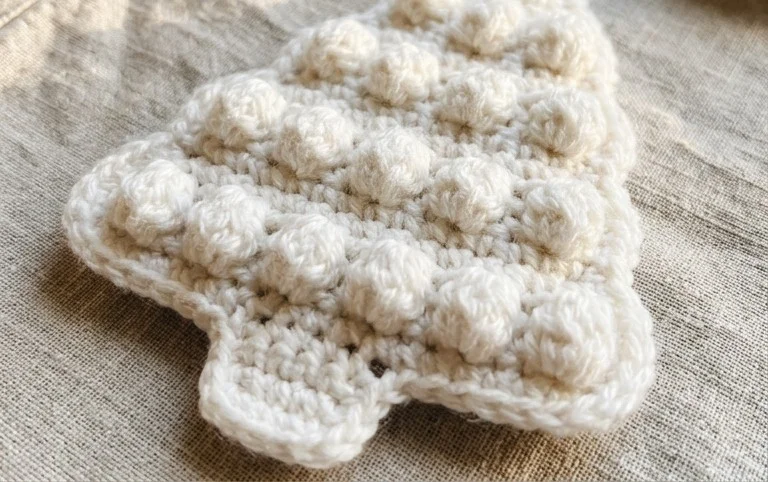
Your new ornaments look beautiful hanging from the pine needles, reflecting the soft glow of seasonal lights. Try using metallic thread held alongside your main yarn if you want a subtle shimmer that catches the light during evening gatherings. We love seeing how these designs turn out in your chosen color palettes, so please share your finished project photos on social media channels. You can find more free patterns and seasonal ideas for your hook and yarn stash by browsing our latest blog post archives today.