Canyons Cowl Free Crochet Pattern: Simple Beginner Guide
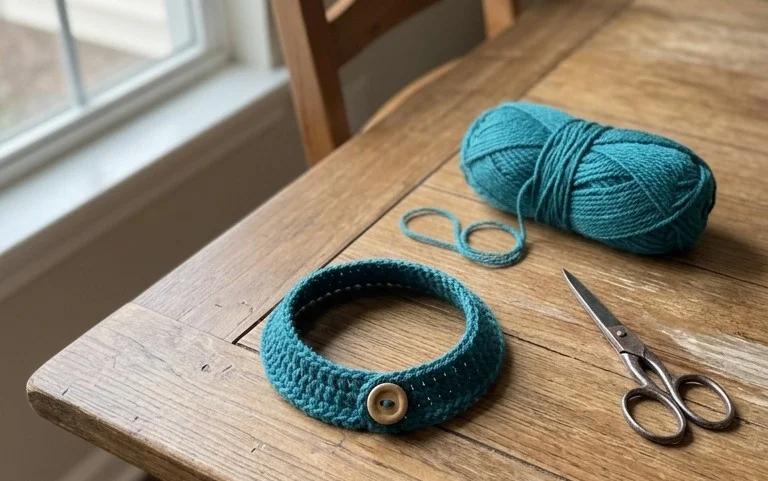
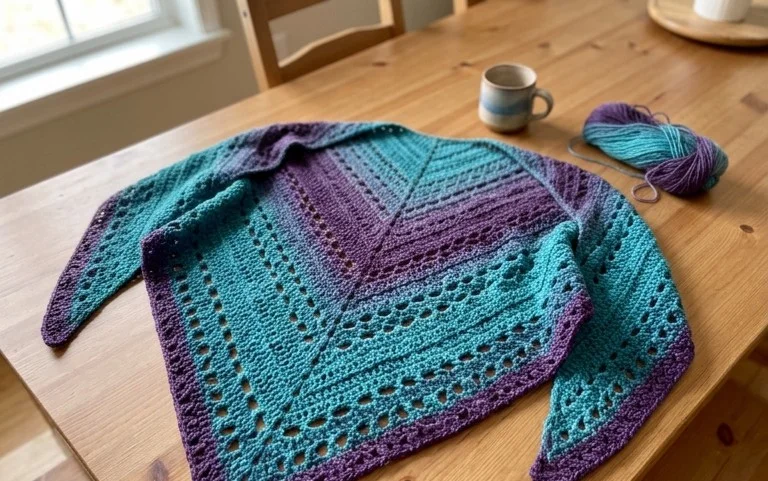
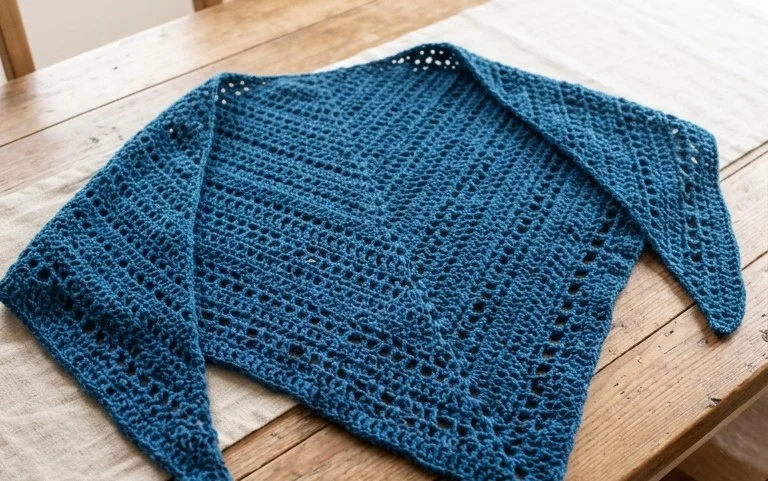
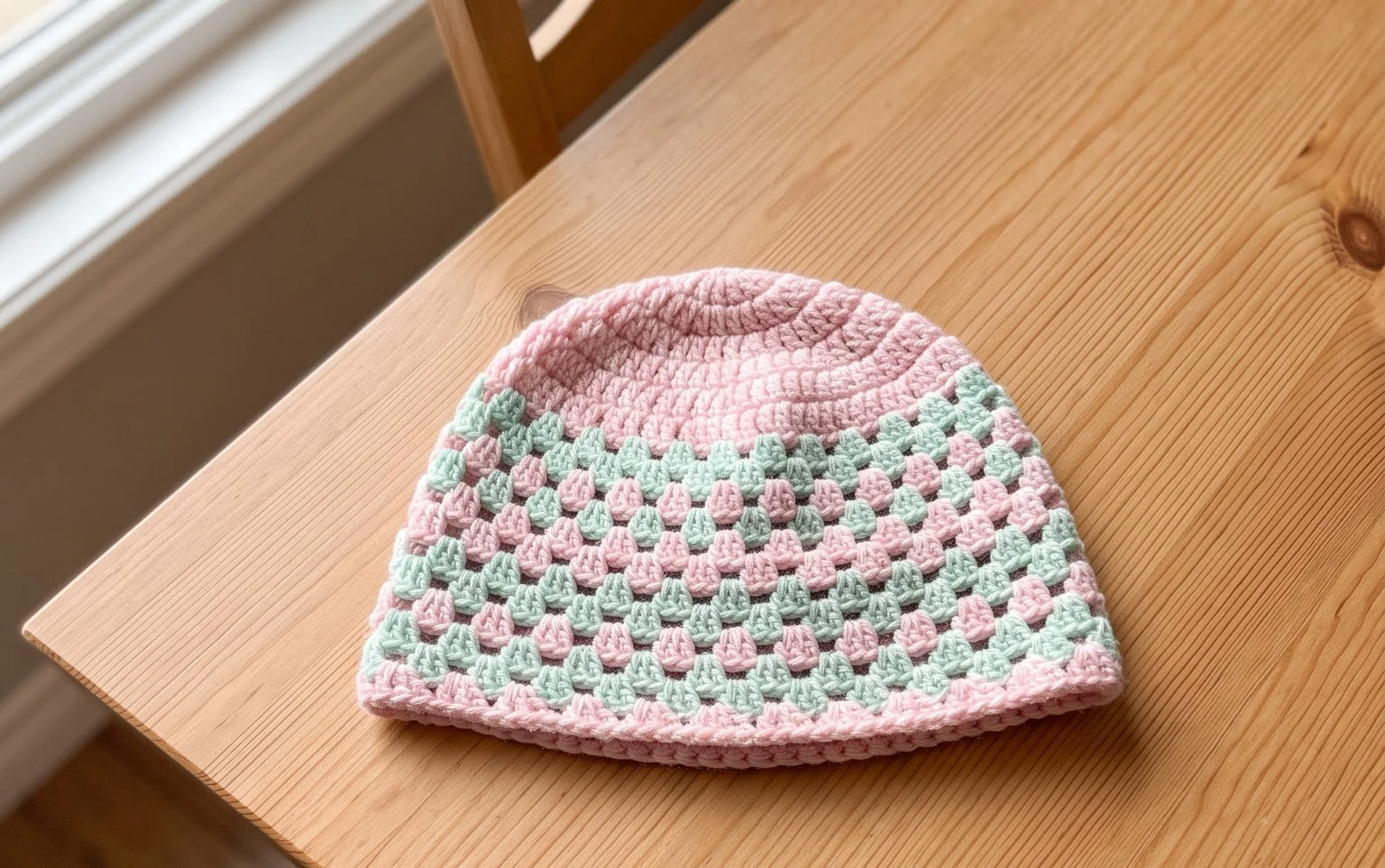
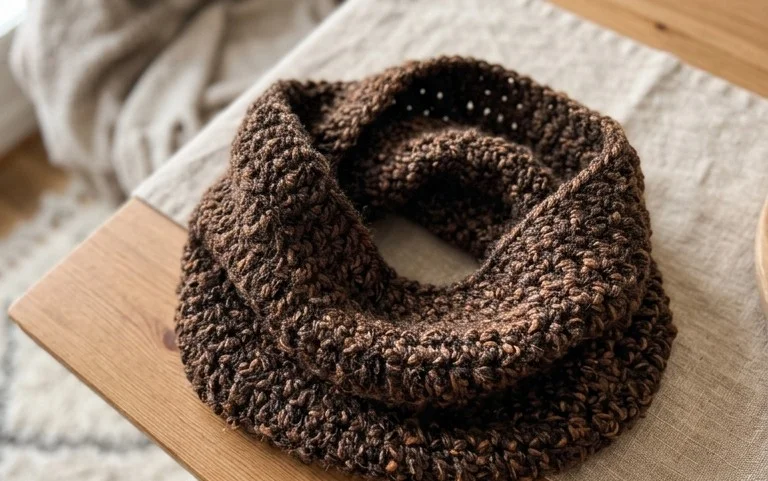
Soft yarn draped around your neck provides immediate warmth on a brisk morning walk through the local park. This piece features a rhythmic, repeating stitch that feels meditative under your fingers, making it a soothing project for anyone needing a break from screens. You will appreciate the squishy, dense texture that holds its structure without feeling bulky or stiff. Whether you want to practice your basic crochet skills or need a quick handmade item for a friend, this design offers a straightforward path to success. The following sections walk you through the essential techniques required to create this comfortable accessory yourself.
Why You’ll Love This Pattern
This classic crochet dishcloth is designed to be the ultimate workhorse in your kitchen. The textured stitch pattern is specifically chosen to scrub away stuck-on food while remaining gentle enough for delicate glassware. Because it works up in under an hour, you can easily crochet a complete set for a thoughtful housewarming gift or to refresh your own linen drawer. The dense fabric structure ensures that it maintains its shape even after repeated trips through the washing machine.
I finished these dishcloths over the weekend and they are so much more durable than anything I have bought at the store. The texture grabs onto suds perfectly and they dry out surprisingly fast between uses.
— Sarah, home cook
Pattern Overview & Skill Level
- Skill Level: Beginner
- Approximate Time: 45 minutes per cloth
- Construction: Worked in flat rows back and forth with a turning chain
- Finished Dimensions: 8 inches by 8 inches square
Materials & Supplies Needed
- Yarn: Worsted weight (#4), 100% cotton, approximately 75 yards per cloth. Cotton is essential for absorbency and heat resistance.
- Hook Size: 5.0 mm (US H-8)
- Notions: Tapestry needle for weaving in ends, scissors, and an optional stitch marker to help keep track of the row starts.
- Safe yarn substitutions: You can use a cotton-acrylic blend, though it will be slightly less absorbent than 100% cotton. Avoid wool or synthetic fibers like polyester, as they do not handle kitchen heat or heavy water saturation well.
Stitch Guide & Abbreviations (US Terms)
- ch = chain
- sc = single crochet
- dc = double crochet
- st = stitch
- sk = skip
- yo = yarn over
- Seed Stitch: A repeating sequence of alternating single and double crochet stitches.
Step-by-Step Pattern Instructions
Main Dishcloth Body
Start by creating a foundation chain that gives you the width required for your project. This pattern relies on an odd number of chains to ensure the texture remains consistent across each row.
- Foundation: Ch 31.
- Row 1: Sc in the 2nd ch from the hook, dc in the next ch. Repeat the (sc, dc) pattern across until you reach the end of the row. The last stitch should be a dc. (30 sts).
- Row 2: Ch 1 and turn. Sc in the first dc of the previous row, dc in the next sc. Continue alternating (sc, dc) across the row. Finish with a dc in the last stitch. (30 sts).
- Rows 3–30: Repeat Row 2 until the piece measures 8 inches in height.
Finishing
After completing the final row, cut your yarn, leaving a 6-inch tail. Pull the tail through the final loop to lock the stitch. Use your tapestry needle to weave the loose end back into the fabric, moving in the direction of the stitches to ensure it stays hidden and secure. Repeat this process for the starting tail at the foundation row.
Care & Washing Instructions
- Machine wash your dishcloths on a warm cycle (up to 104°F) with like colors to prevent dye bleeding.
- Lay the cloths flat on a clean towel to air dry, as high heat in a tumble dryer may cause the cotton fibers to shrink slightly.
- Reshape the square while it is still damp to ensure it lies perfectly flat when fully dry.
Pro Tips & Common Mistakes to Avoid
Maintaining consistent tension is the most important factor in keeping your dishcloth square. If your hands feel tight, take a short break to prevent the fabric from pulling inward at the edges. Using a stitch marker on the first stitch of every row helps you identify where to place your final stitch, preventing the common mistake of accidentally dropping stitches and creating a triangular shape instead of a square. When weaving in your ends, split the plies of the yarn with your needle to create a more permanent anchor point. If you want to adjust the size, simply increase or decrease your starting chain by increments of two, but remember that a larger cloth will require more than one skein of standard 75-yard cotton yarn.
Frequently Asked Questions
Can I use a larger hook for this pattern?
Using a larger hook will result in a looser, more open fabric. While this makes the project faster, it reduces the scrubbing power of the dishcloth and makes it less durable, so it is best to stick to the recommended 5.0 mm hook.
Is this pattern suitable for someone who has only learned chains?
Yes, this is an ideal follow-up to a basic chain project. It only requires knowledge of two fundamental stitches, and because it is worked in straight rows, it provides excellent practice for maintaining even edges.
Can I sell the finished dishcloths I make?
You are welcome to sell the finished items you create from this pattern. I ask that you credit the pattern design when listing your products online to support the ongoing creation of free resources.
What should I do if my edges are becoming wavy?
Wavy edges usually indicate that your tension is becoming too loose as you work, or that you are adding extra stitches at the ends of the rows. Count your stitches after every row to ensure you always have 30 stitches total.
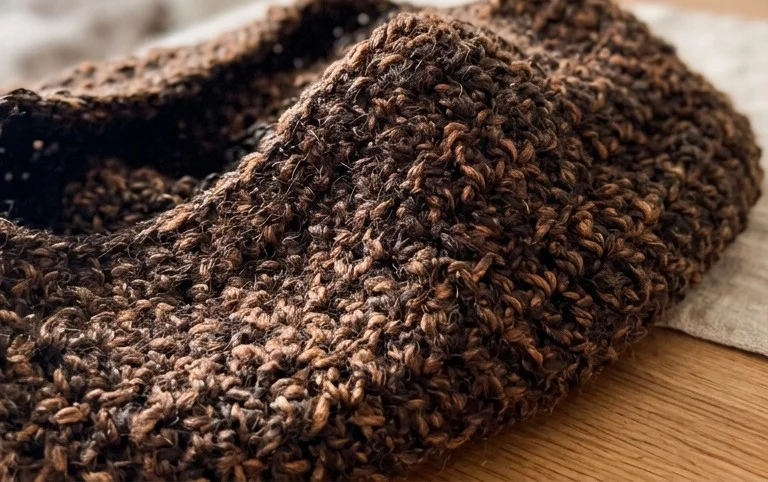
Finished projects have a unique charm that brings a sense of accomplishment to your daily creative routine. You can adapt the size by adding extra chains at the start or experiment with a variegated wool blend to create a bolder visual statement. Seeing your completed work on Instagram or Pinterest keeps our community inspired and connected. Please visit the rest of the blog to find additional free patterns that suit your skill level and keep your hooks moving through the winter months.