Simple Crochet Ear Warmer: Free Pattern for Beginners
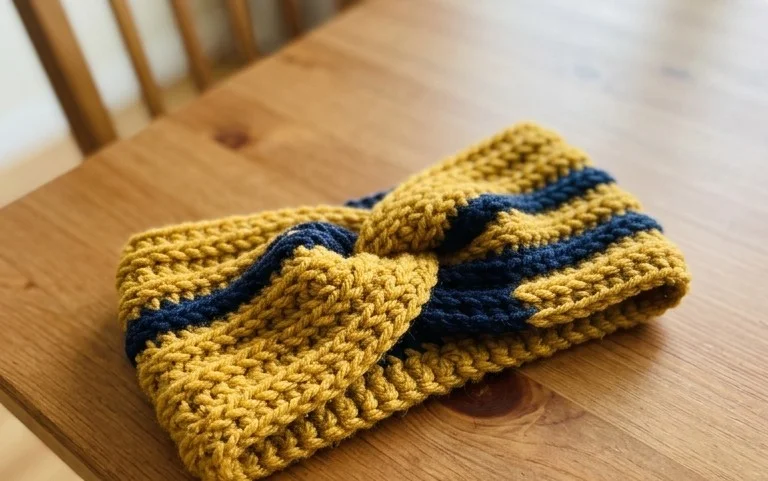
Soft wool keeps your ears cozy during chilly morning walks when the wind bites. This headband provides a snug fit that stays in place while keeping you warm without the bulk of a full beanie. It is a rewarding project for beginners because it uses basic stitches to create a dense, squishy fabric that grows surprisingly fast. You will learn how to join your work into a seamless band using only standard crochet stitches. Whether you need a quick gift for a friend or a functional winter accessory for yourself, this pattern offers a straightforward and relaxing way to practice your tension.
Why You’ll Love This Pattern
This classic crochet dishcloth is designed using the linen stitch, also known as the moss stitch, which creates a dense yet flexible fabric that is ideal for scrubbing dishes. Because it uses only single crochet and chain stitches, it serves as an excellent project for practicing consistent tension without the complexity of post stitches or cables. The texture created by this stitch pattern is scrubby enough to tackle tough grime but soft enough to remain gentle on non-stick surfaces. Many crocheters prefer this specific pattern for stash-busting, as it requires less than one skein of cotton yarn and works up quickly enough to finish in a single evening.
I finally mastered the moss stitch after struggling with other patterns for weeks because this one is so repetitive and easy to track. It is now my go-to gift for housewarmings.
— Sarah, intermediate crocheter
Pattern Overview & Skill Level
- Skill Level: Beginner
- Approximate Time: 1.5 to 2 hours
- Construction: Worked in flat rows starting from a foundation chain
- Finished Dimensions & Sizing: 8 inches by 8 inches
Materials & Supplies Needed
- Yarn: Worsted weight #4, 100% cotton, approximately 75 yards per dishcloth. Cotton is necessary for heat resistance and absorbency.
- Hook Size: 5.0 mm (H-8) crochet hook.
- Notions: Tapestry needle for weaving in ends and scissors.
- Safe yarn substitutions: You may use a cotton-linen blend for increased durability, though this may make the fabric slightly stiffer. Avoid acrylic yarns, as they do not absorb water well and may melt if they touch hot cookware.
Stitch Guide & Abbreviations (US Terms)
- ch: chain
- sc: single crochet
- st(s): stitch(es)
- sk: skip the indicated stitch
- Moss Stitch: A pattern sequence of [sc, ch 1, skip 1] across the row.
Step-by-Step Pattern Instructions
Dishcloth Body
- Foundation: Ch 32.
- Row 1: Sc in the 4th ch from the hook, *ch 1, sk 1, sc in the next ch; repeat from * across until the end. Turn. (16 sc, 15 ch-1 spaces).
- Row 2: Ch 2, sc in the first ch-1 space, *ch 1, sk 1, sc in the next ch-1 space; repeat from * across, ending with a sc in the turning chain space. Turn. (16 sc, 15 ch-1 spaces).
- Rows 3-30: Repeat Row 2 until the piece measures 8 inches in height.
Finishing
Once you reach the desired length, fasten off the yarn, leaving a 6-inch tail. Thread the tail through your tapestry needle and weave it back and forth through the stitches on the back side of the cloth to secure it. Trim any excess yarn close to the fabric to ensure a neat finish.
Care & Washing Instructions
- Machine wash on a warm setting (up to 104°F) with like colors to prevent dye bleeding.
- Tumble dry on low heat or lay flat on a clean towel to dry completely.
- Reshape the dishcloth by pulling the corners gently while it is damp to maintain its original square shape.
Pro Tips & Common Mistakes to Avoid
Consistent tension is vital for this pattern. If your chains are too tight, the dishcloth will pucker; if they are too loose, the holes will look uneven. Use a stitch marker on the first stitch of every row to ensure you do not accidentally skip the final stitch or add an extra one, as this is the most common error in moss stitch projects. Weave your ends in horizontally through the stitches rather than pulling them through the fabric to keep the transition invisible. If you wish to change the size, simply increase or decrease your starting chain by an even number to keep the repeat working correctly.
Frequently Asked Questions
Can I use a different yarn weight for this pattern?
You can use a DK weight yarn if you adjust your hook size down to a 4.0 mm, but you will need to increase the number of starting chains to maintain the 8-inch width. Using a thicker yarn will result in a larger, bulkier cloth that takes longer to dry.
Why does my rectangle have slanted edges?
Slanted edges usually occur when you accidentally add or drop a stitch at the end of a row. Always count your single crochets to ensure you have 16 per row, and use a stitch marker in your first stitch to mark your turning point.
Is this pattern suitable for complete beginners?
Yes, this is an ideal first project. It teaches you how to maintain a straight edge, how to count stitches in a pattern that includes spaces, and how to transition from one row to the next using turning chains.
Am I allowed to sell the dishcloths I make from this pattern?
You are welcome to sell finished items created from this pattern. I ask that you provide a link back to my original pattern page as a courtesy to support future design work.
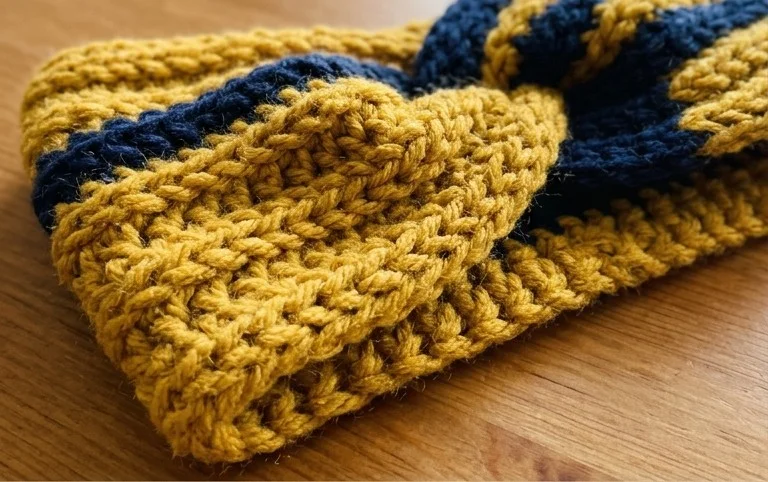
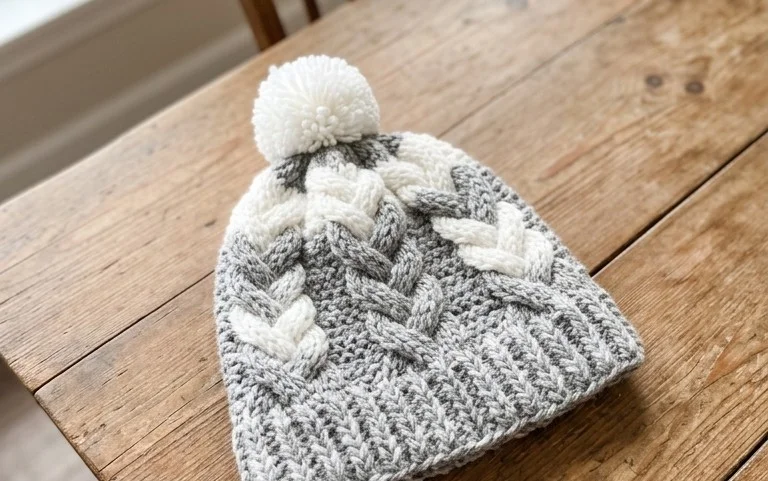
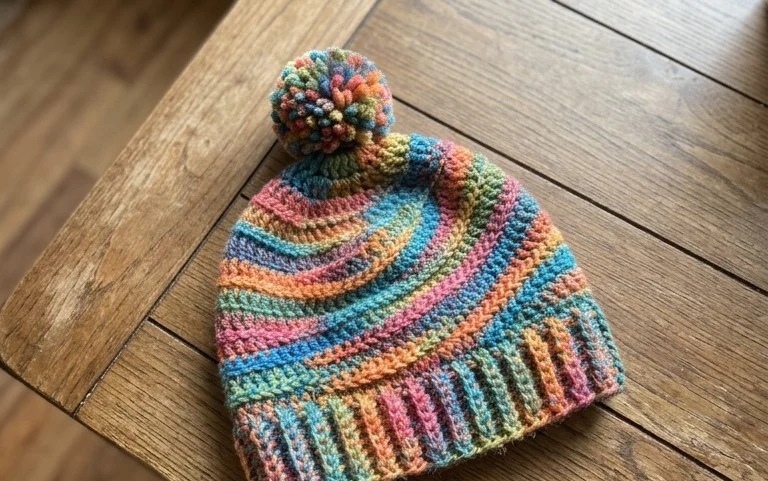
You now have a warm and functional accessory to wear on cold days. Adding a thick yarn pompom to the side creates a playful look that changes the whole style of the piece. Try using a variegated wool yarn if you want a bolder color effect on your next one. Posting a photo of your finished work helps others see how different shades turn out in this stitch. Please visit the rest of the blog to find more free projects for your winter wardrobe.